October
National Protect Your Hearing Month
The Acoustical Society of America observes National Protect Your Hearing Month each October to help raise awareness about the importance of protecting your hearing. For more information and resources about the causes and prevention of noise-induced hearing loss (NIHL), visit the NIDCD It’s a Noisy Planet. Protect Their Hearing.® campaign website.
Activities
These are all activities you can do at home to learn about the importance of protecting your hearing.

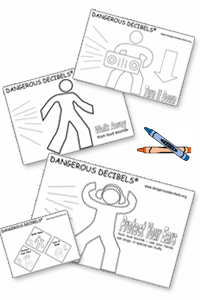
Coloring Sheets


Dangerous Decibels Exhibit


Acoustics Today
Read hearing science and hearing relating research published in Acoustics Today!

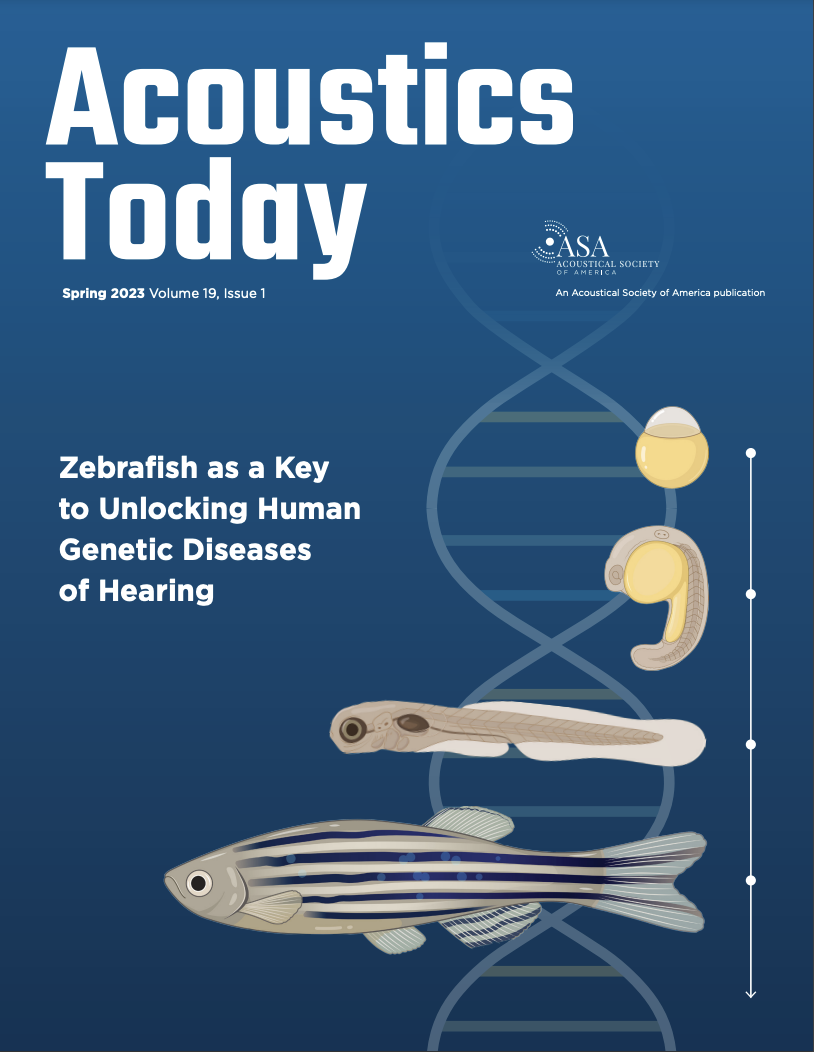
Zebrafish as a Key to Unlocking Human Genetic Diseases of Hearing
Learn how zebrafish help us understand human hearing loss.

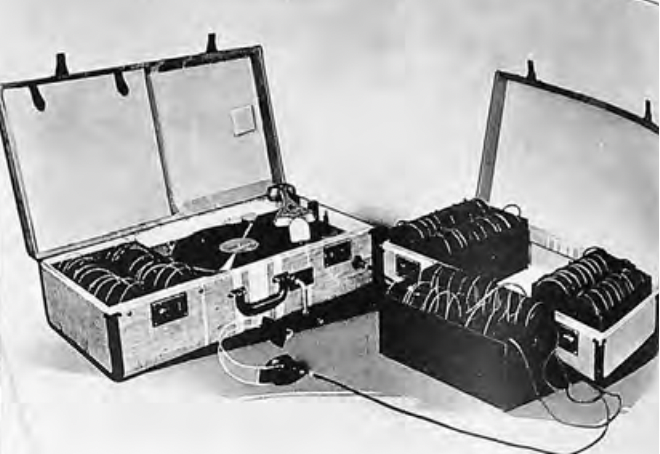
Why Was Your Hearing Tested - Two Centuries of Progress
Learn about the history of the evaluation of hearing loss.

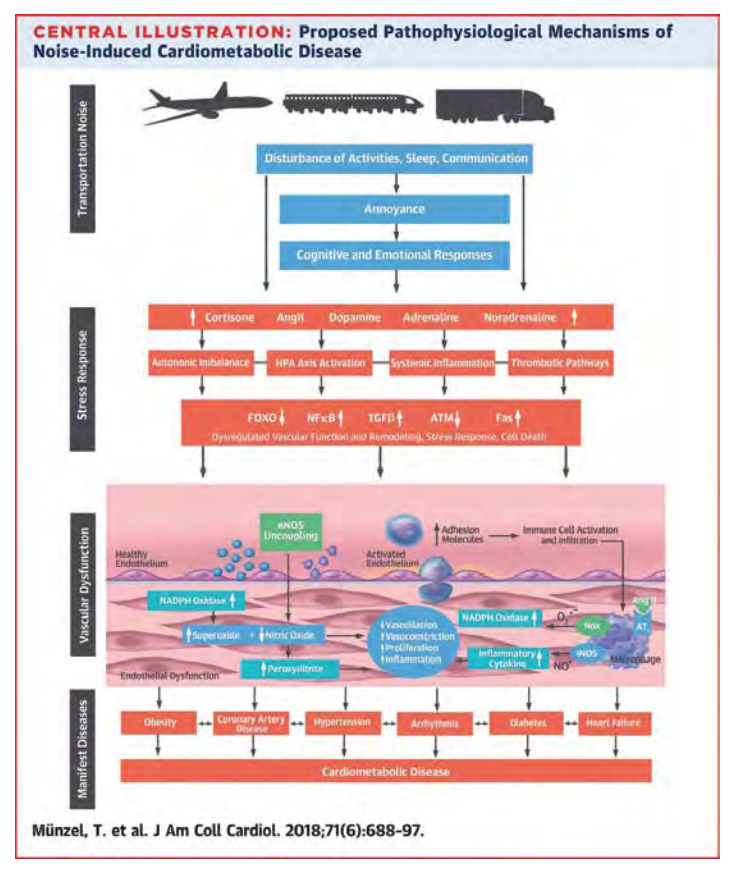
Ambient Noise Is “The New Secondhand Smoke”
Excessive ambient noise causes hearing loss; disrupts sleep, function, and communication; and causes nonauditory health effects for millions of people.

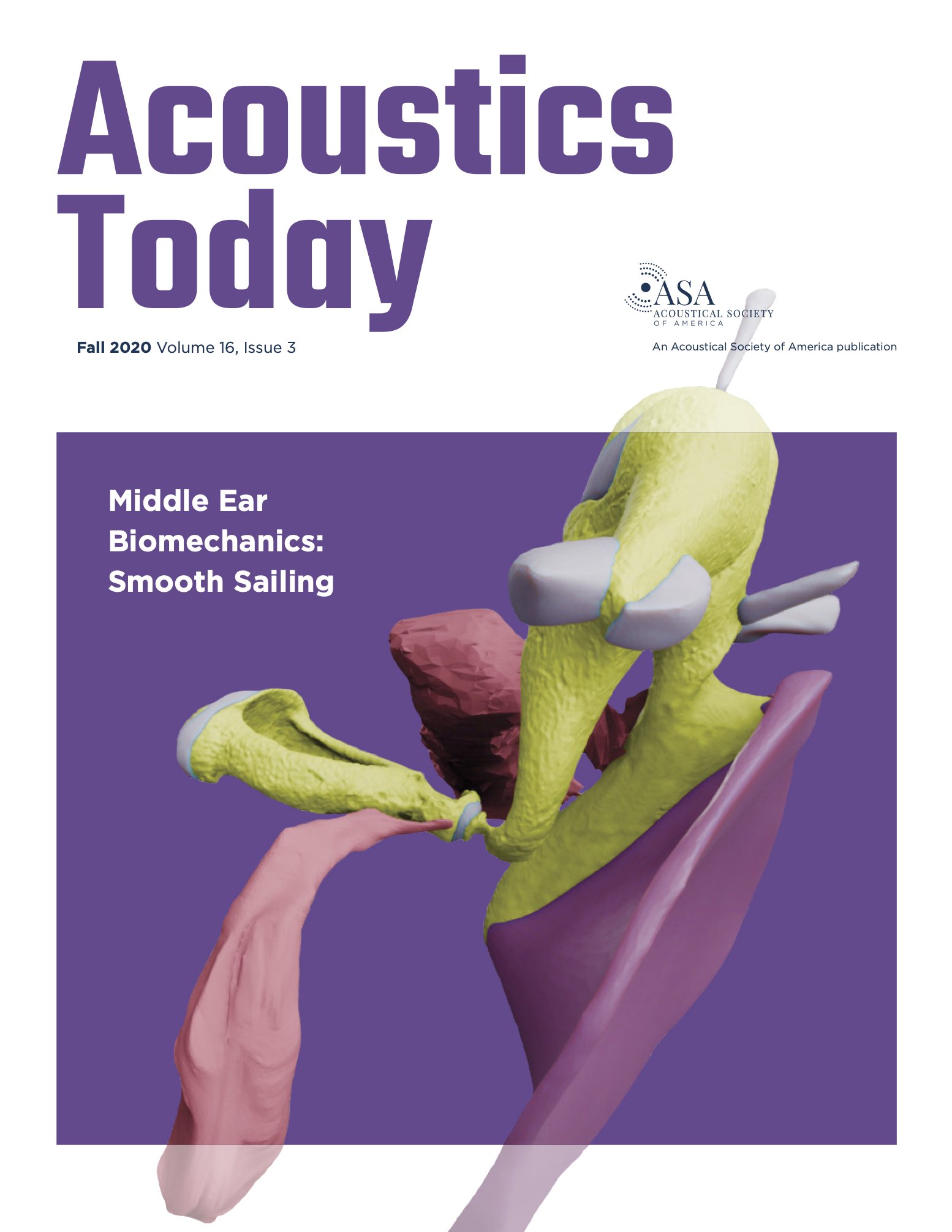
Middle Ear Biomechanics- Smooth Sailing
The middle ear is tasked with transmitting sound from the low-density, highly compressible air in the ear canal to the high-density nearly incompressible fluid in the cochlea.

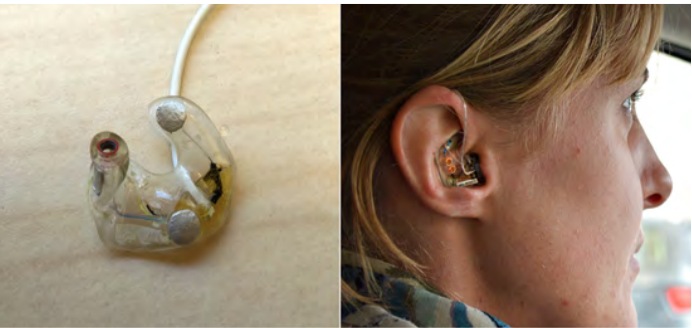
Hearing and Aging Effects on Speech Understanding: Challenges and Solutions
Development of effective, evidence-based solutions to overcoming communication barriers imposed by hearing loss is critical in our rapidly aging population.

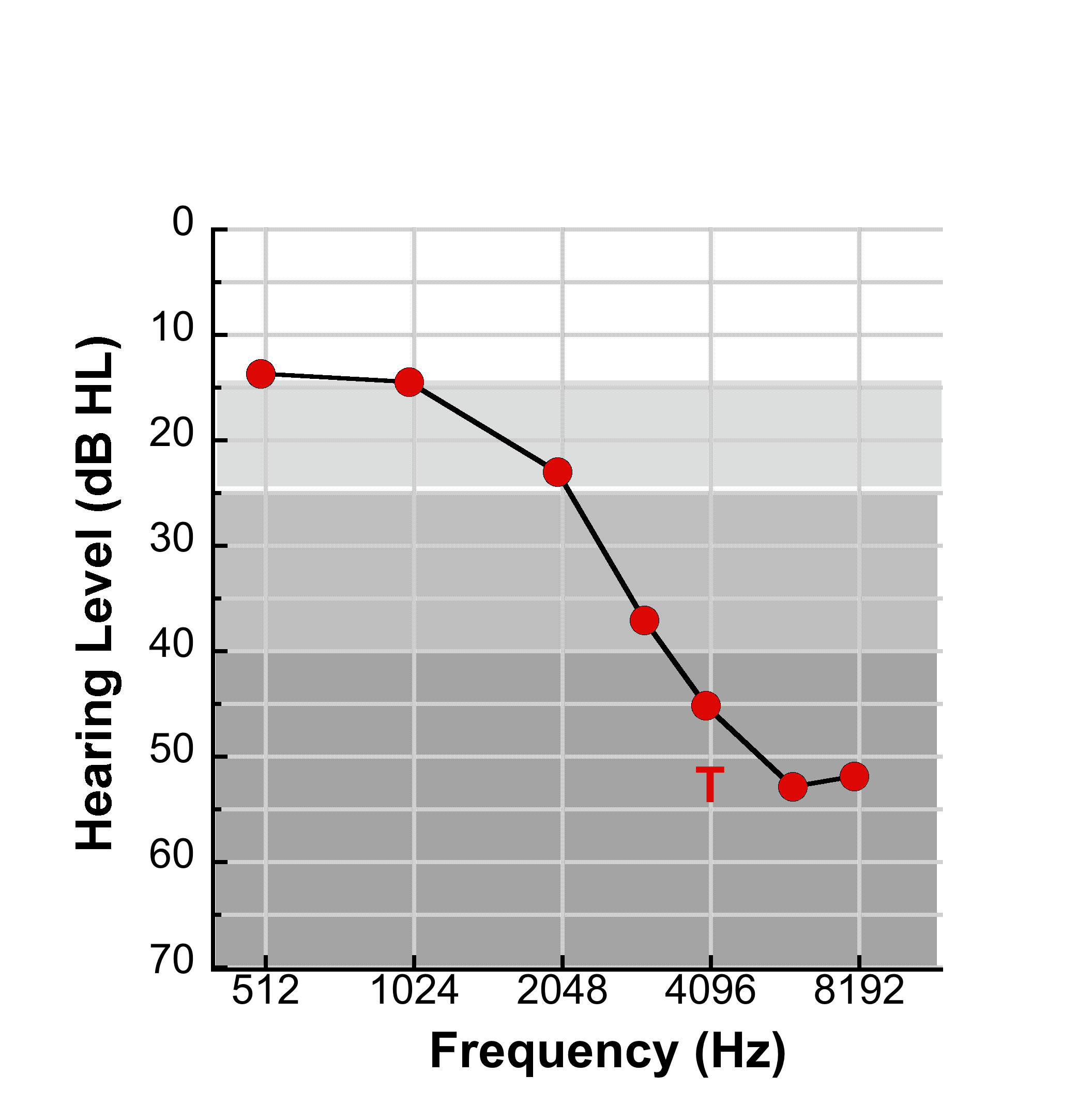
Psychoacoustics of Tinnitus- Lost in Translation
Tinnitus is the perception of sound without an external source, often experienced as a constant or frequent ringing, humming, or buzzing.

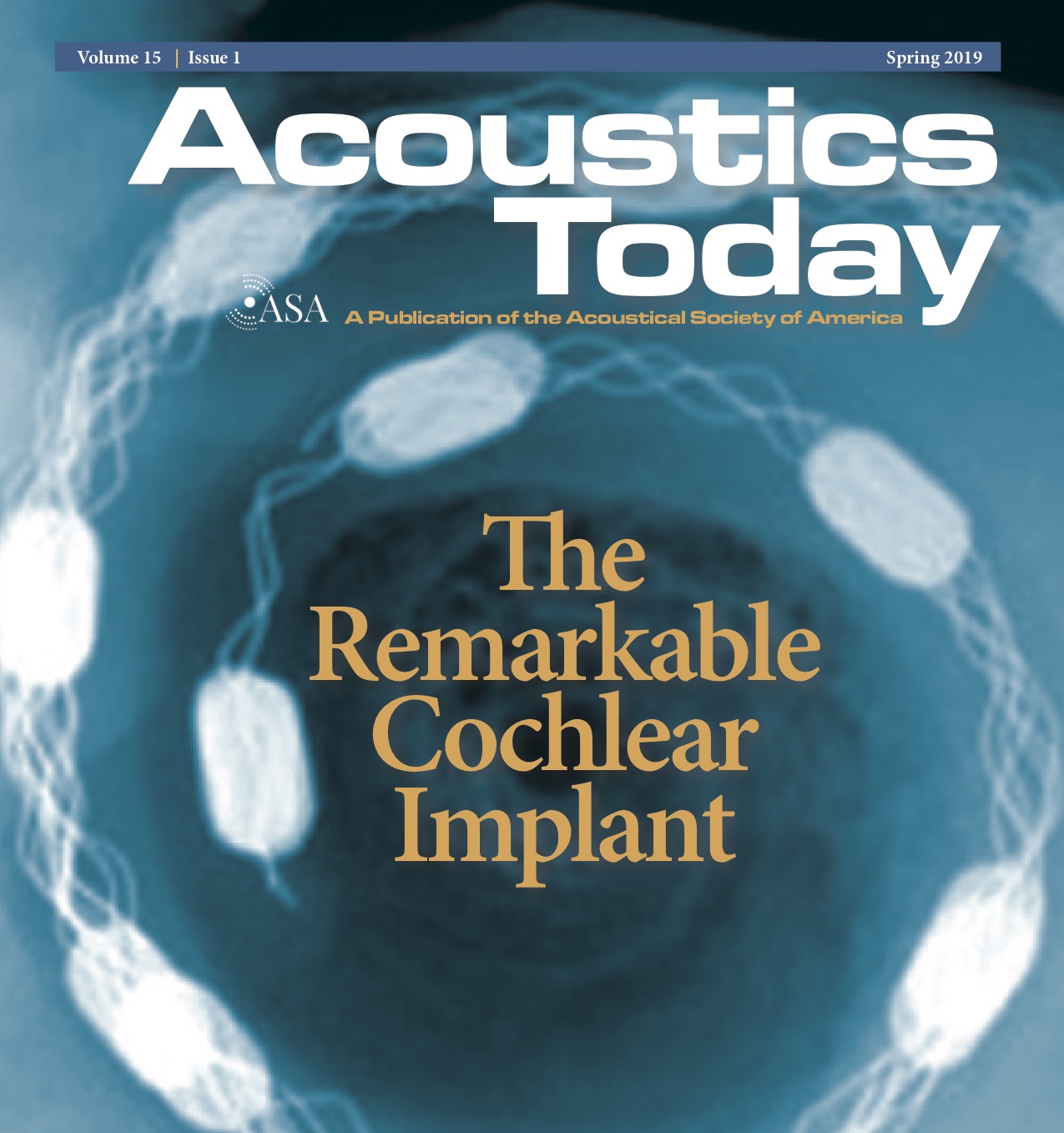
The Remarkable Cochlear Implant and Possibilities for the Next Large Step Forward
The modern cochlear implant is an astonishing success; however, room remains for improvement and greater access to this already marvelous technology.

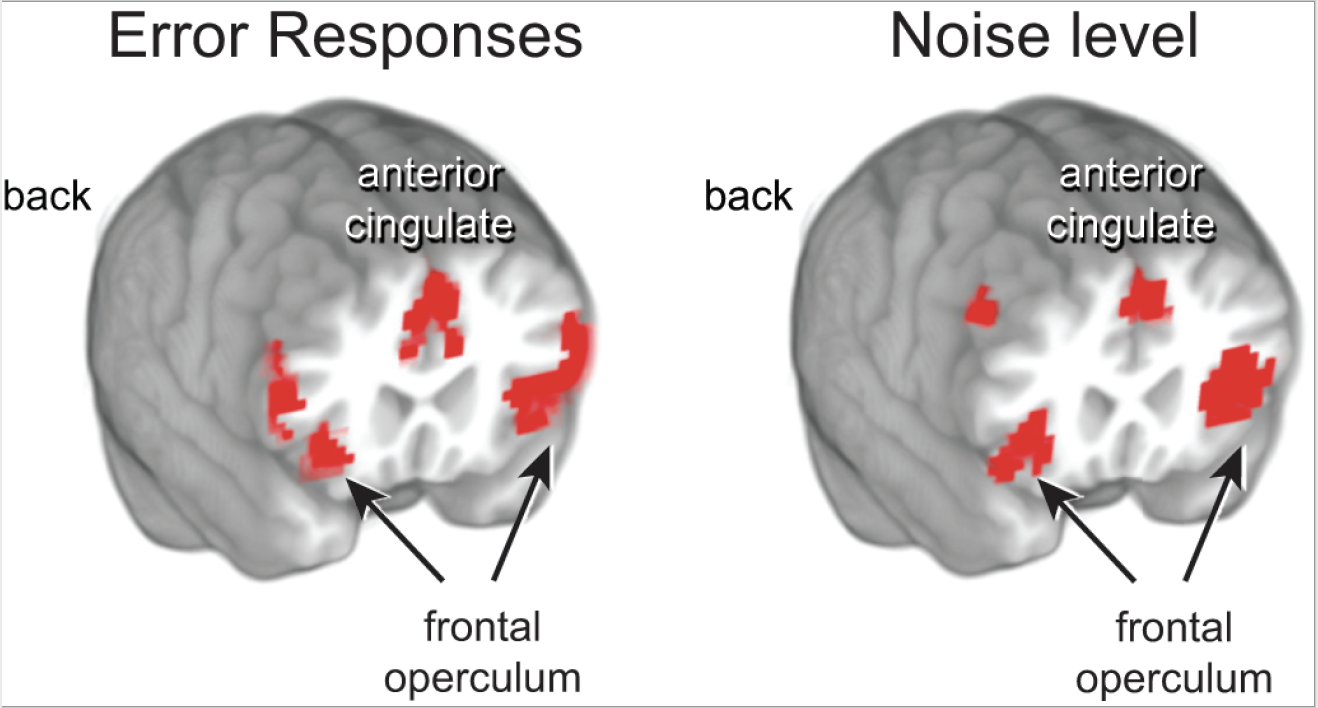
How Our Brains Make Sense of Noisy Speech
When dealing with noise, whether in a restaurant or another potentially loud environment, the mammalian brain has evolved ways to extract a signal of importance from the noisy surround.

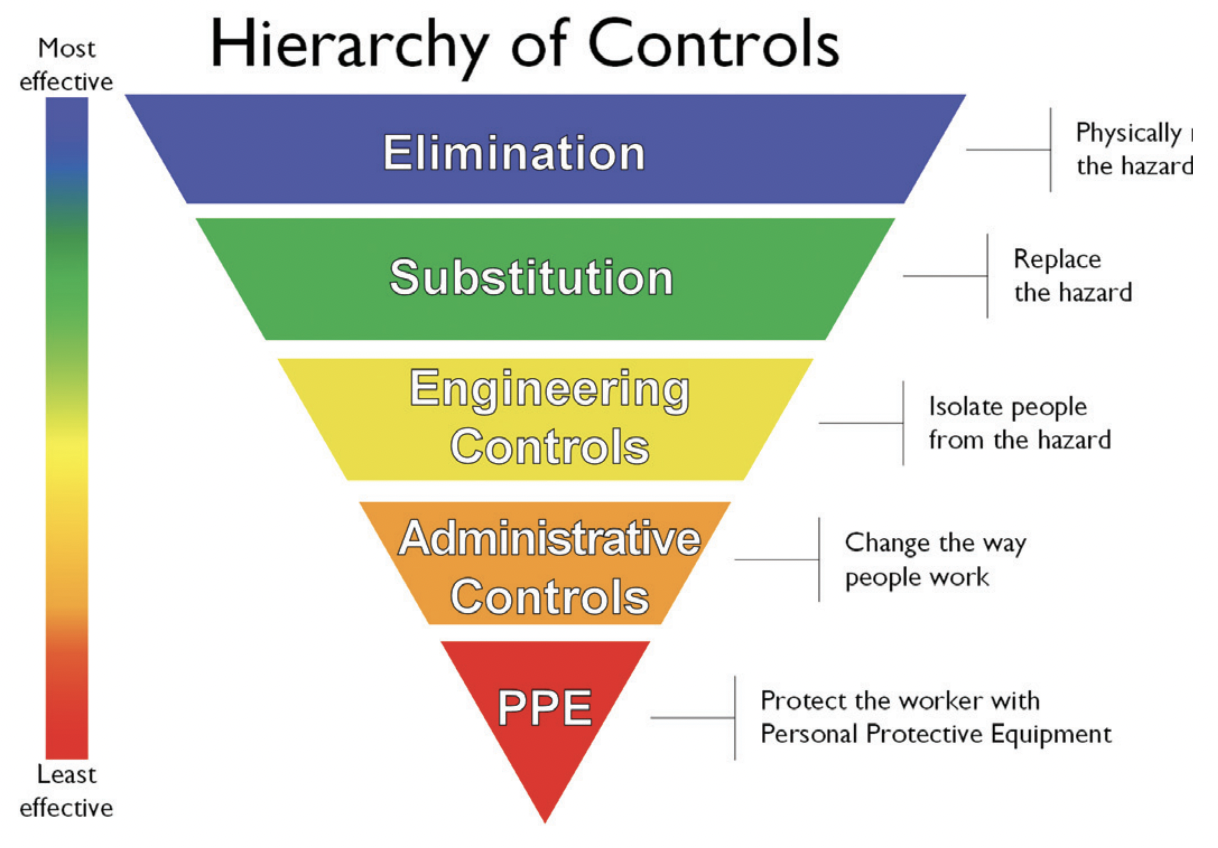
Preventing Occupational Hearing Loss
Proactive hearing loss prevention programs that reduce workplace noise are shifting the focus from documentation of an injury to the prevention of occupational hearing loss.
Hearing Scientists and Researchers
Meet the people who are researching hearing and hearing related topics!

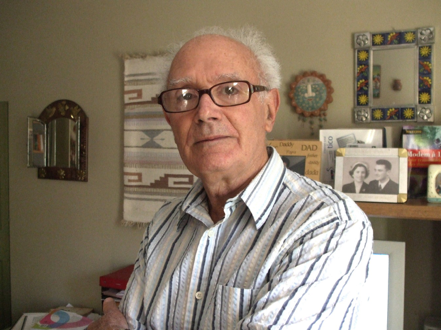
Alberto Behar


Sandra Gordon-Salant


Adrian KC Lee

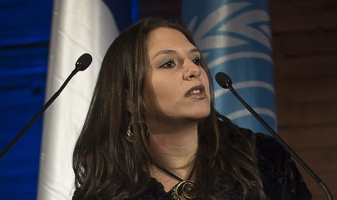
Gabriela Virginia Santiago

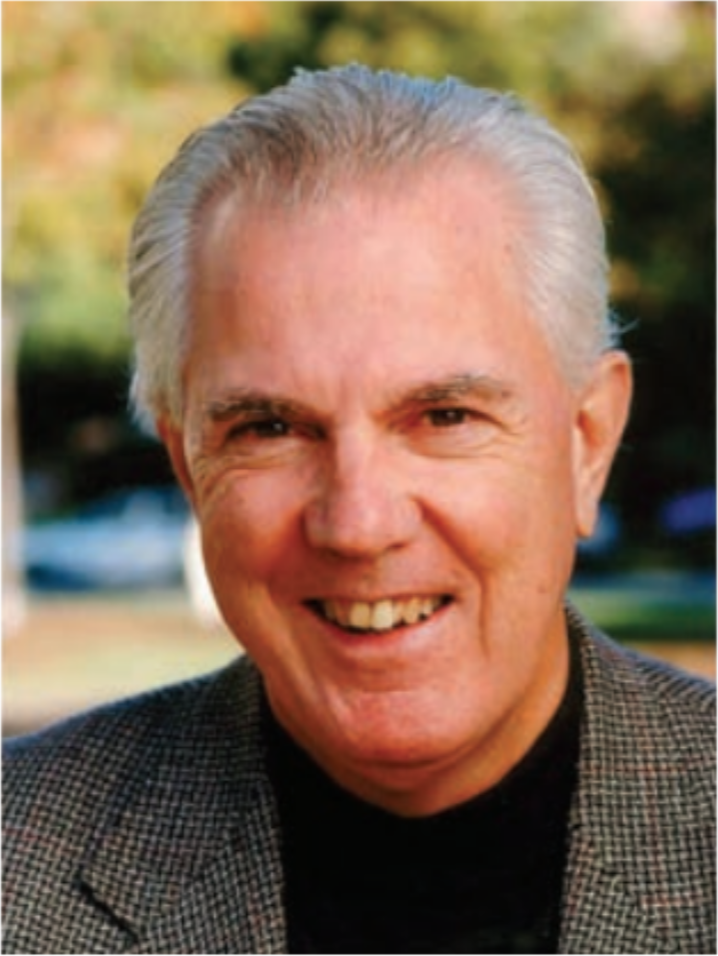
William A. Yost
Research Papers
These are “lay language” papers of compelling hearing related research, studies and findings.
Turning Hearing Aids into Noise-Canceling Devices
Presented May 25, 2022 at the 182nd ASA Meeting in Denver, CO.
Using a virtual restaurant to test hearing aid settings
Presented Dec 11, 2020 at the 179th Meeting Acoustical Society of America, Acoustics Virtually Everywhere.
Preserving workers’ hearing health by improving earplug efficiency
Presented Dec 11, 2020 at the 179th ASA Meeting, Acoustics Virtually Everywhere.
Inciting our children to turn their music down: the “Age of Your Ear” concept
Presented Nov 8, 2018 at the 176th Meeting Acoustical Society of America in Victoria, BC, Canada.
Say what? Brief periods of hearing loss in childhood can have consequences later in life
Presented May 7, 2018 at the 175th ASA Meeting in Minneapolis, MN.
Spread the word!
Share our images